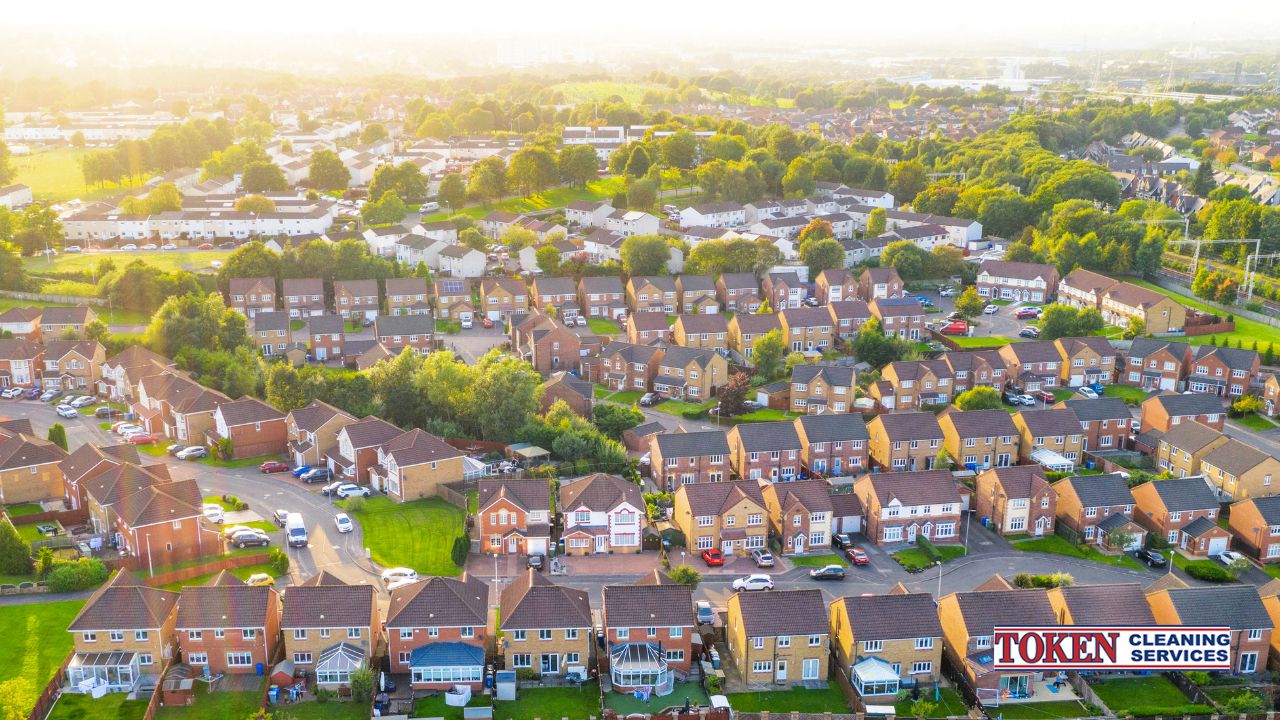
When a homeowner asked us to restore the front of their period home, the brickwork told two stories at once. Ivy had crept across the soft red brick, while streaks of limescale and water staining ran down from above. They loved the character of the house, but they were worried that a heavy-handed clean might ruin the old bricks. Our brief was simple to describe and delicate to deliver: remove limescale, staining, and ivy without harming a single brick.
Here is how that restoration unfolded, from the first survey to the final rinse.
The Property: Full of Character, but Neglected
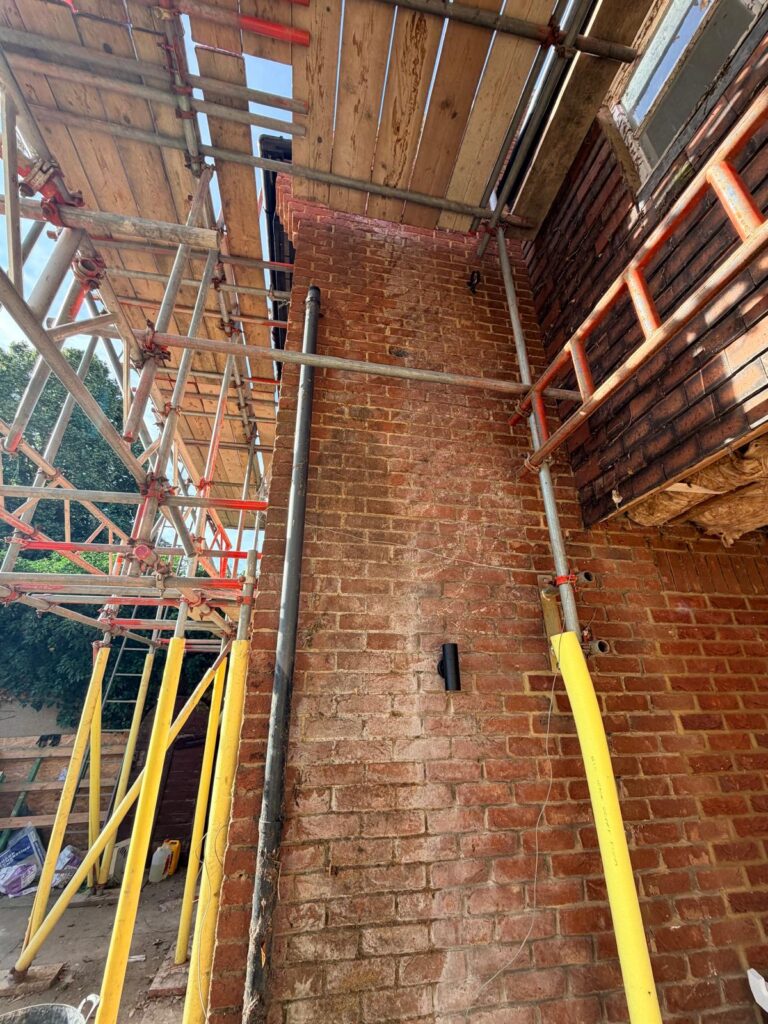
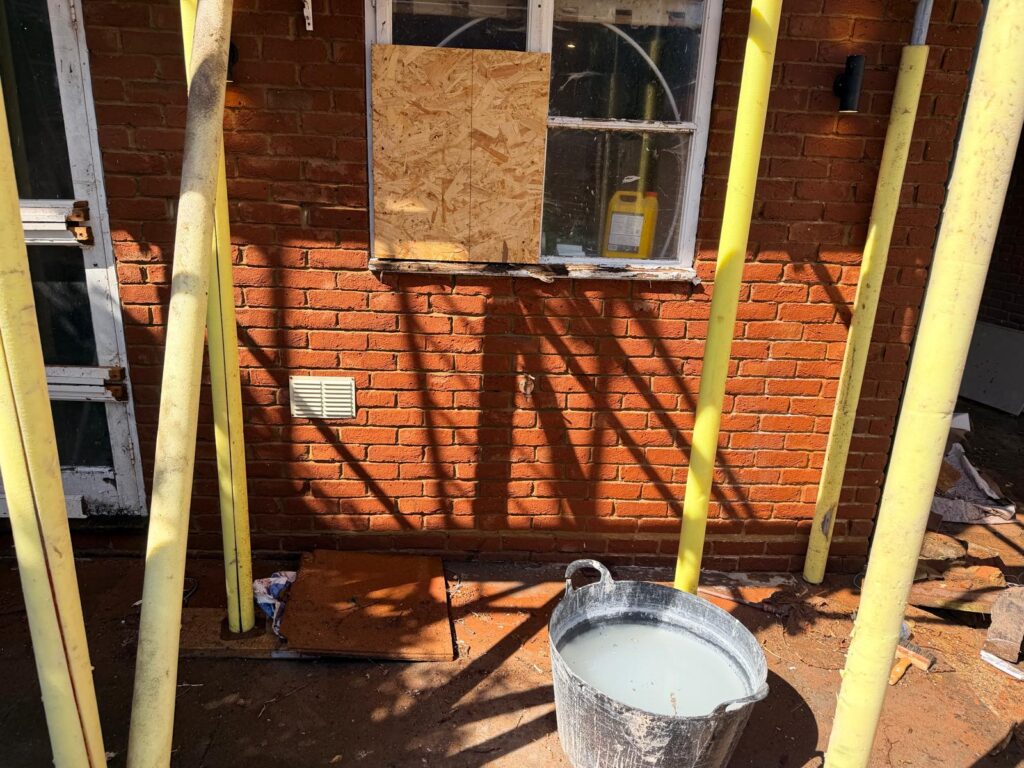
The house formed part of a building on a busy High Street here in the South East, which had recently been refurbished. Scaffolding was already up, giving us safe access to the full height of the elevation.
The brick itself was both the star of the show and the challenge. Soft red brick like this is lovely to look at, yet far more fragile than modern engineering brick. Over the years, three problems had built up:
- Ivy clinging to the surface, with roots working into the joints
- Limescale and hard-water staining, streaking down from gutters and sills
- General grime dulling the whole face of the wall
The homeowner had seen other properties spoiled by aggressive cleaning. They wanted the wall restored, not scarred. That meant choosing our methods with real care.
Why Soft Red Brick Needs a Gentle Approach
This is the heart of the story, so it is worth explaining.
Soft red bricks have a delicate outer face, sometimes called the “fire skin”. Blast that face with a high-pressure jet and you can strip it away, leaving the brick open, rough, and quick to soak up water. Once that happens, the damage is permanent.
Limescale makes the job trickier still. It is a hard, chalky calcium deposit, and the instinct is to reach for strong acid or high pressure to shift it. On soft brick, both can do more harm than the staining ever did. So when a client asks us to remove limescale from old brick, we never rely on brute force. We rely on the right method, applied gently.
Step One: Careful Ivy Removal
We started with the ivy. Ripping ivy off in a hurry tears at the brick face and can pull out mortar, so we took our time.
The team cut the ivy back to the root, then eased the stems away from the wall by hand rather than yanking them. Where fine tendrils still clung on, we removed them gently so the brick underneath stayed intact. If you would like the full detail on this, our guide to removing ivy from brickwork walks through the process.
With the ivy gone, the true state of the wall was revealed, including the limescale streaks we had come to treat.
Step Two: Chemical Cleaning to Remove Limescale and Water Staining
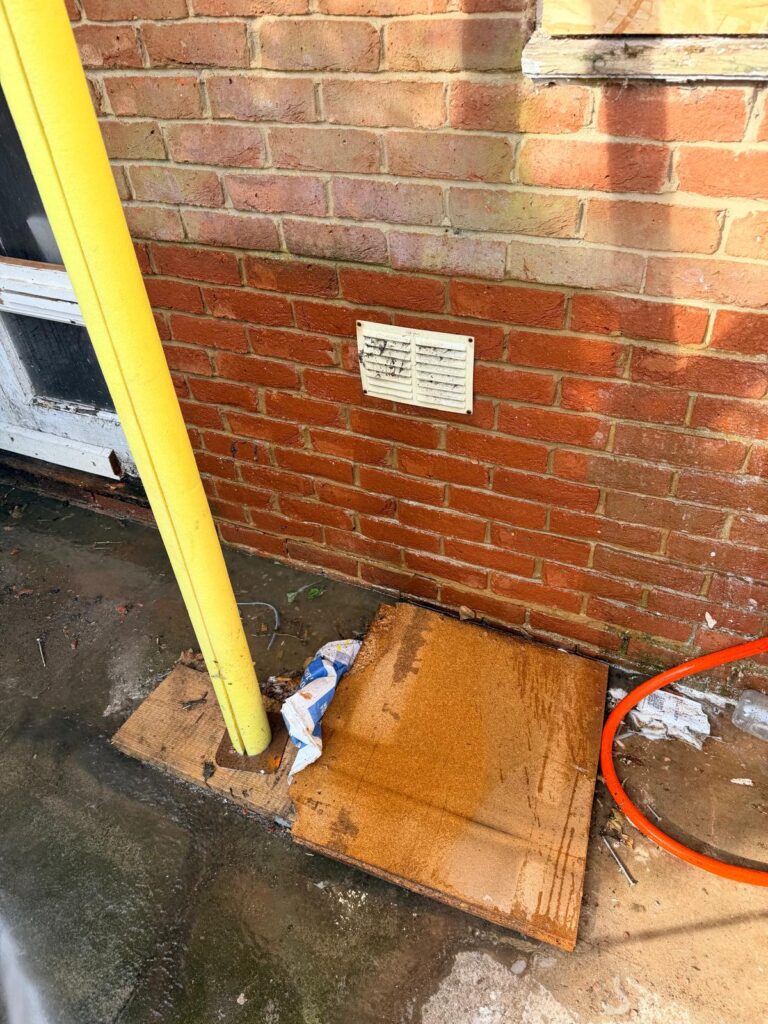
Next came the staining. To remove limescale and hard-water marks safely, we used a controlled chemical clean rather than harsh acid or heavy pressure.
The approach is methodical:
- Test first. We always treat a small, discreet area to see how the brick responds.
- Apply gently. We work a suitable cleaning solution into the stained areas, letting it break down the calcium deposits.
- Dwell and monitor. We give the treatment time to work, watching closely so it lifts the limescale without touching the brick.
- Neutralise and rinse. We rinse thoroughly at low pressure, leaving no residue behind.
Done this way, the process lifts years of staining while protecting the surface. That is the difference between a professional clean and a risky DIY attempt with shop-bought brick acid.
Step Three: Low-Pressure Steam Cleaning
To finish, we used low-pressure steam cleaning across the elevation.
Steam is a brilliant tool for delicate brick. It works at high temperature but low pressure, so it lifts remaining grime, biological growth, and residue without hammering the surface. The heat also kills off the spores that cause moss and algae to return, giving the wall a longer-lasting finish.
Steam paired with gentle chemical treatment is exactly the kind of low-impact method that suits soft and historic masonry. For especially fragile or heritage surfaces, we can also turn to specialist systems such as TORC cleaning, which uses low-pressure air, water, and a fine safe aggregate to clean without damage.
The Result: A Wall Restored, Not Scarred
The transformation was clear. The ivy was gone, the limescale streaks had lifted, and the soft red brick looked warm and even again. Best of all, the delicate brick face was completely intact.
For the homeowner, this was exactly the outcome they had hoped for: a clean, restored frontage that respected the character of their period home.
Why Not Just Remove Limescale Yourself?
It is a fair question. On a modern, hard brick you might get away with it. On soft, older brick, DIY carries real risks.
Shop-bought brick acids can burn and discolour delicate brick. Home pressure washers can strip the fire skin in seconds. And ivy pulled off carelessly can bring the mortar with it. What looks like a money-saver can quickly turn into a costly repair.
A professional team brings three things you cannot buy at the DIY store: the right survey, the right method for each surface, and the experience to know when to stop. That is why so many homeowners ask us to remove limescale from period brickwork rather than risk it themselves.
Protecting Your Brickwork Afterwards
Once a wall is clean, a little care keeps it that way. We often suggest:
- Clearing gutters and downpipes, since overflow is a common cause of the staining we came to remove
- Fixing leaks early, before hard water can streak the brick again
- Considering a breathable sealant, which helps the brick shed water while still letting it breathe
These small steps slow the return of limescale and keep your restoration looking its best for longer.
Thinking About Restoring Your Own Brickwork?
If ivy, limescale, or water staining is spoiling your home, you do not have to risk damage to put it right. With the correct survey and gentle, proven methods, even delicate soft red brick can be safely restored.
Token Cleaning Services has been caring for brick, stone, and render across London, Essex, Hertfordshire, and the wider South East for over 50 years. Explore our brick, stone and render cleaning service, see more of our approaches on the cleaning methods page, or read further project stories on our blog. To book a no-obligation survey, call 01279 422752.